ServicesConstruction Debris
Construction Debris Removal in Rosemont
Your remodel is done, but the drywall offcuts, broken tile and pulled windows are still stacked by the driveway. We load it, sweep up and haul it to the right recycling or disposal site, with a clear price before anything goes on the truck.
Clearing the Leftovers From Your Project
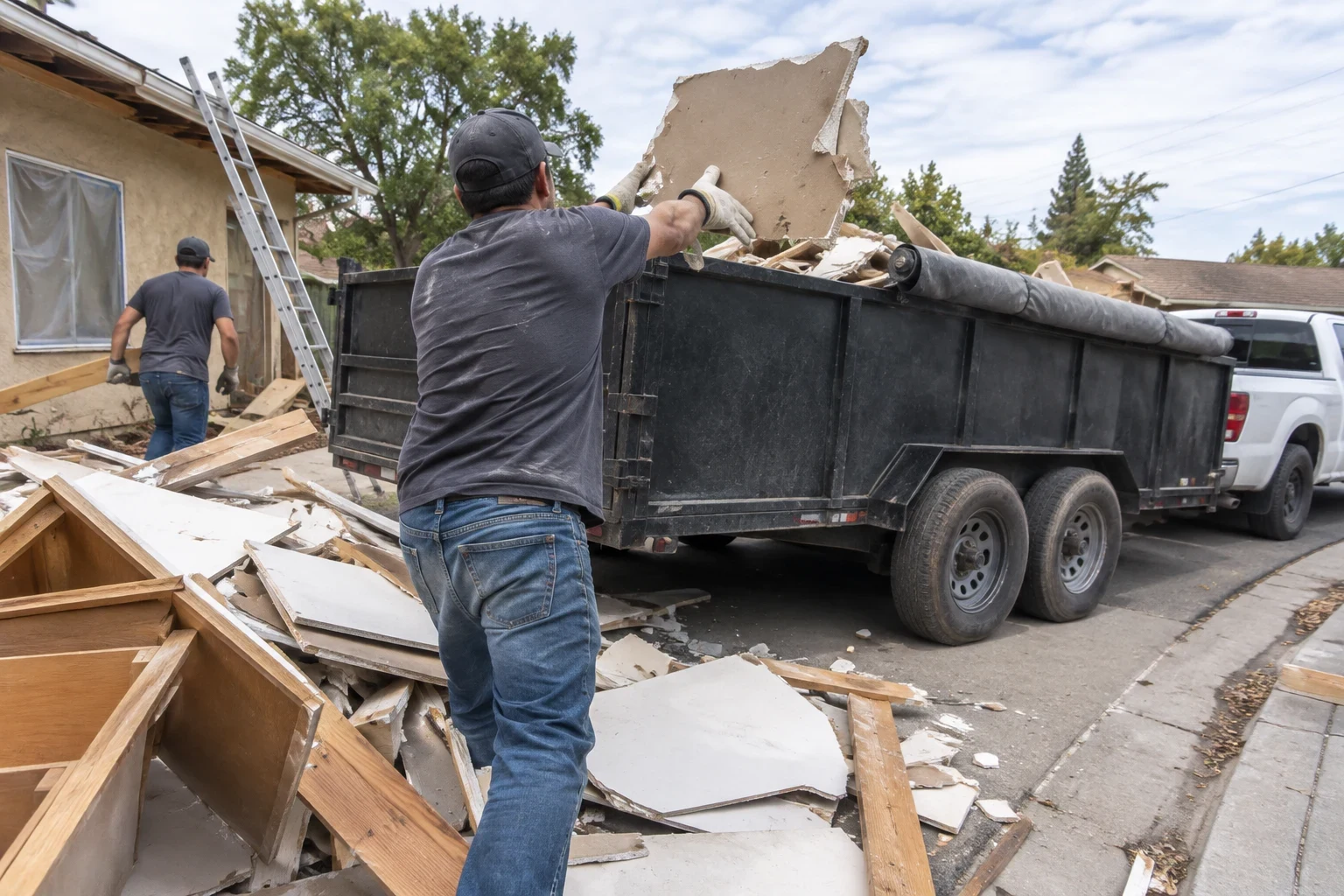
Construction debris is the heavy, awkward material a renovation leaves behind: gypsum board, framing lumber with nails still in it, ceramic tile and thinset, carpet and pad, roofing shingles, and the old fixtures that came out. It is denser than household junk, and much of it can't go in your curbside cart. We bring the truck, the crew and the tools to move it in one visit.
Many of the jobs we clear come from energy upgrades. When you swap single-pane aluminum windows for dual-pane units, replace an aging furnace or water heater, or pull compressed attic insulation to blow in new, the old material has to go somewhere. Getting it off the property finishes the work, so the upgrade can start lowering your cooling bills through a long Rosemont summer instead of sitting half-done next to a pile.
What We Haul From a Job Site at Your Home
- 01
Drywall and plaster
Gypsum board scraps, lath and plaster, and the bagged dust from sanding. Clean gypsum can often be recycled, so we keep it separate from mixed waste when we can.
- 02
Lumber and framing
Studs, joists, sheathing, trim and old cabinet boxes. We handle nailed boards with gloves and load them so they don't puncture tires or tarps on the way out.
- 03
Tile, concrete and masonry
Broken tile, mortar beds, small amounts of concrete and brick. These are the heaviest loads we see, so we account for weight as well as volume.
- 04
Old windows, doors and insulation
Single-pane window sashes, hollow-core doors, fiberglass batts and torn-out ductwork from HVAC replacements. Glass is wrapped or boxed before loading.
- 05
Fixtures and old appliances
Toilets, vanities, water heaters and pulled kitchen appliances. Units with refrigerant are routed to facilities that recover it properly.
- 06
Site sweep
After the last load we rake and sweep the area, picking up nails, screws and tile shards so they don't end up in a tire or a bare foot.
Questions about Construction Debris?
Call(916) 659-7810Signs It Is Time to Clear the Debris
Your contractor didn't include haul-away
Plenty of bids cover the build but not the cleanup. If the crew left a pile when they packed up, that's the gap we fill.
The pile is blocking the garage or driveway
Debris parked in front of a garage door keeps cars outside and makes the next phase of work harder to stage.
Insulation or drywall is getting wet
Fiberglass and gypsum soak up moisture, gain weight and start to break down. Wet drywall can grow mold within days, and it gets harder and heavier to move the longer it sits.
Nails and sharp edges are within reach
Kids, pets and visitors walk past these piles. Exposed fasteners and broken glass are a real injury risk.
You did the demo yourself
A weekend bathroom tear-out can fill more space than you expect. If the trash cart won't take it, we will.
How a Debris Pickup Runs
- 1
Call for your estimate
Tell us what the project was and roughly how much material is left. We set a time to come look at it in person.
- 2
On-site walkthrough and price
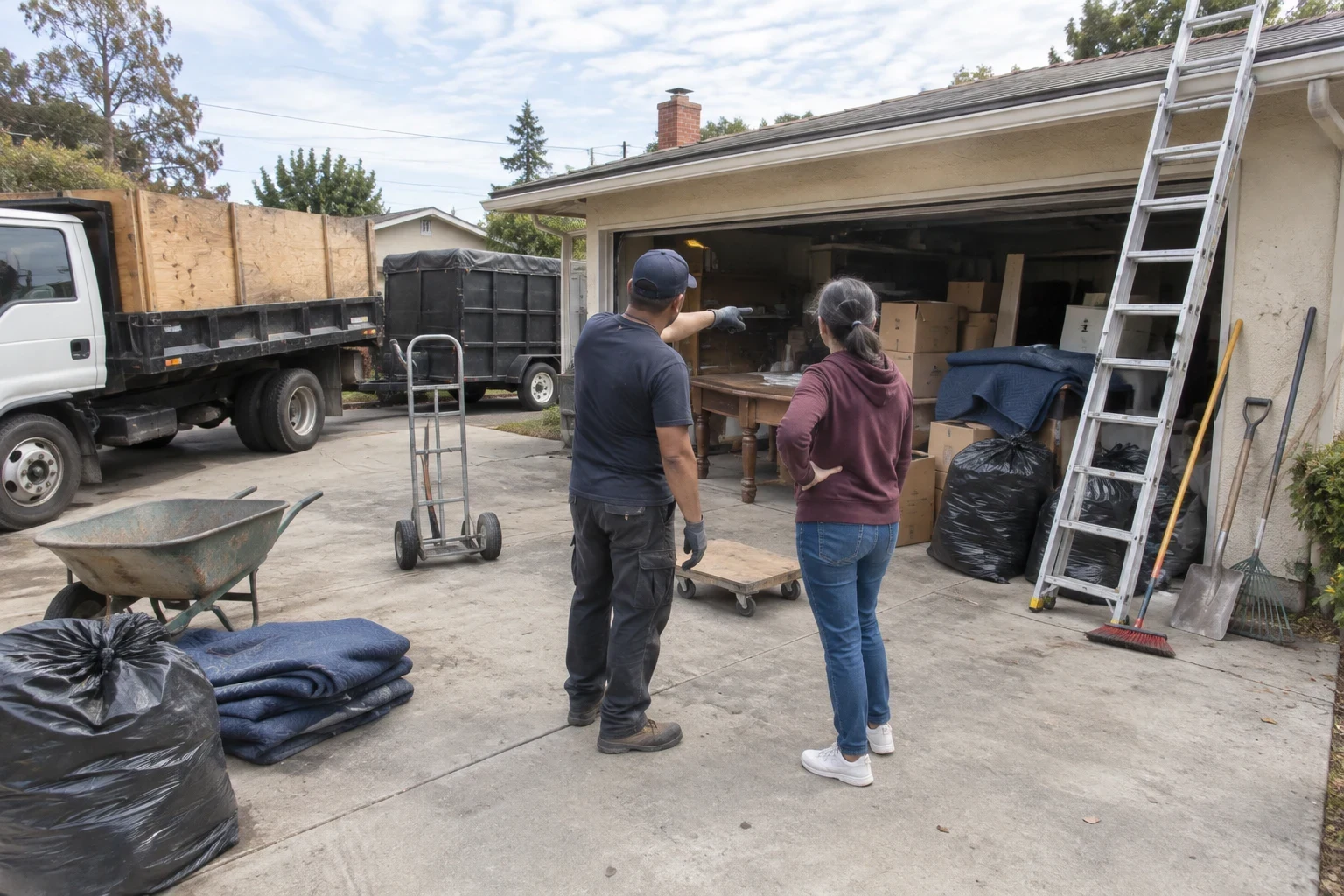
We size up the pile and flag dense material like tile or concrete. You hear the full number while we're standing there, and nothing gets loaded until you agree to it. That's upfront pricing, no surprises.
- 3
Load and protect
The crew carries everything to the truck, laying down tarps or boards where a path crosses your lawn or pavers. We stack dense material low and forward so the load rides safely.
- 4
Sort and dispose
Clean wood, metal, gypsum and concrete go to recyclers that accept them. The rest goes to a transfer station or landfill that takes that material, never a vacant lot.
- 5
Sweep and final check
We clear loose fasteners and dust, then walk the area with you so you can see it's done.
What Moves the Price of Debris Removal
We price construction debris first by the space it takes up in our truck, then adjust for weight and how hard it is to reach. A heap of trim and carpet costs far less than a pile of tile and mortar with the same footprint. Your free, no-obligation estimate comes after we see the material, so the number is settled before work starts.
- Volume
- The share of our truck bed your pile takes up sets most of the price. Bulky, hollow pieces like ductwork and cabinet boxes eat up space well beyond what their weight would suggest.
- Material density
- Concrete, tile, brick and wet drywall are heavy and cost more at the disposal site. We note these during the walkthrough so they're in your price.
- Where the pile sits
- Material stacked beside the driveway goes on the truck in minutes. A load tucked behind the house, up in an attic or down a tight side yard means more trips on foot, and that labor shows in the estimate.
- Sorting and special handling
- Appliances with refrigerant, glass, and materials headed to separate recyclers add steps. Pre-sorted piles can save time.
Construction Debris Questions
Can you take old insulation from an attic upgrade?
Yes, fiberglass batts and bagged loose fill are fine once they're out of the attic and bagged or bundled. We don't remove insulation from the attic itself. If the old material is vermiculite, have it tested first, because some of it contains asbestos.
Do you haul materials that might contain asbestos or lead paint?
No. Popcorn ceiling, old vinyl flooring, pipe wrap and some siding in older homes can contain asbestos, and those need testing and removal by a specialist abatement contractor. Once a material tests clear, we can haul it like any other debris.
Is this different from light demolition?
Yes. This service is for debris that's already torn out. If you need a deck, interior wall or small structure taken apart first, our light demolition service covers that, and we can quote both together.
Do I need a dumpster permit?
No. We load directly into our truck and leave with it, so nothing sits in the street and there's no container to permit or schedule.
Can you come while the contractor is still working?
Yes. A mid-project pickup keeps the site clear for the next trade. Let us know the layout when you call so we stay out of the crew's way.
How do you price a pile that's mostly tile?
We estimate it by volume, then account for the weight because dense material costs more to dispose of. You get that number on site before we load anything.
Clear Out What the Remodel Left Behind
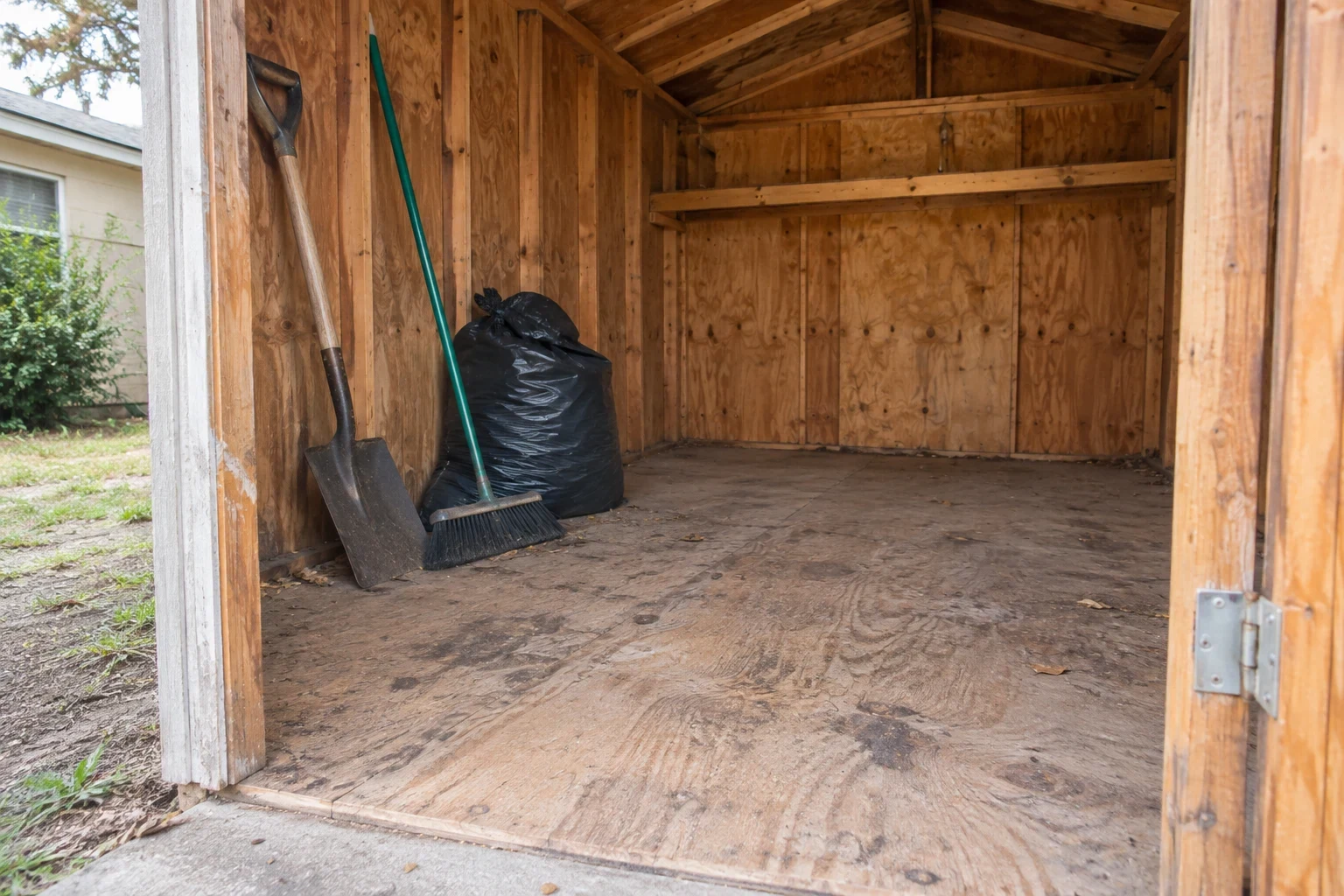
Give us a rough idea of the leftover material and where on the property it's piled. We'll walk it with you, quote the price on the spot, and finish with the area swept clean.