ServicesFurniture and Appliance Removal
Furniture and Appliance Removal in Rosemont
We disconnect, lift and haul away the heavy pieces you are done with, from a dead washer to that second fridge humming in the garage. Refrigerant units go to a recycler, usable items go to donation where possible, and you get the price before we lift anything.
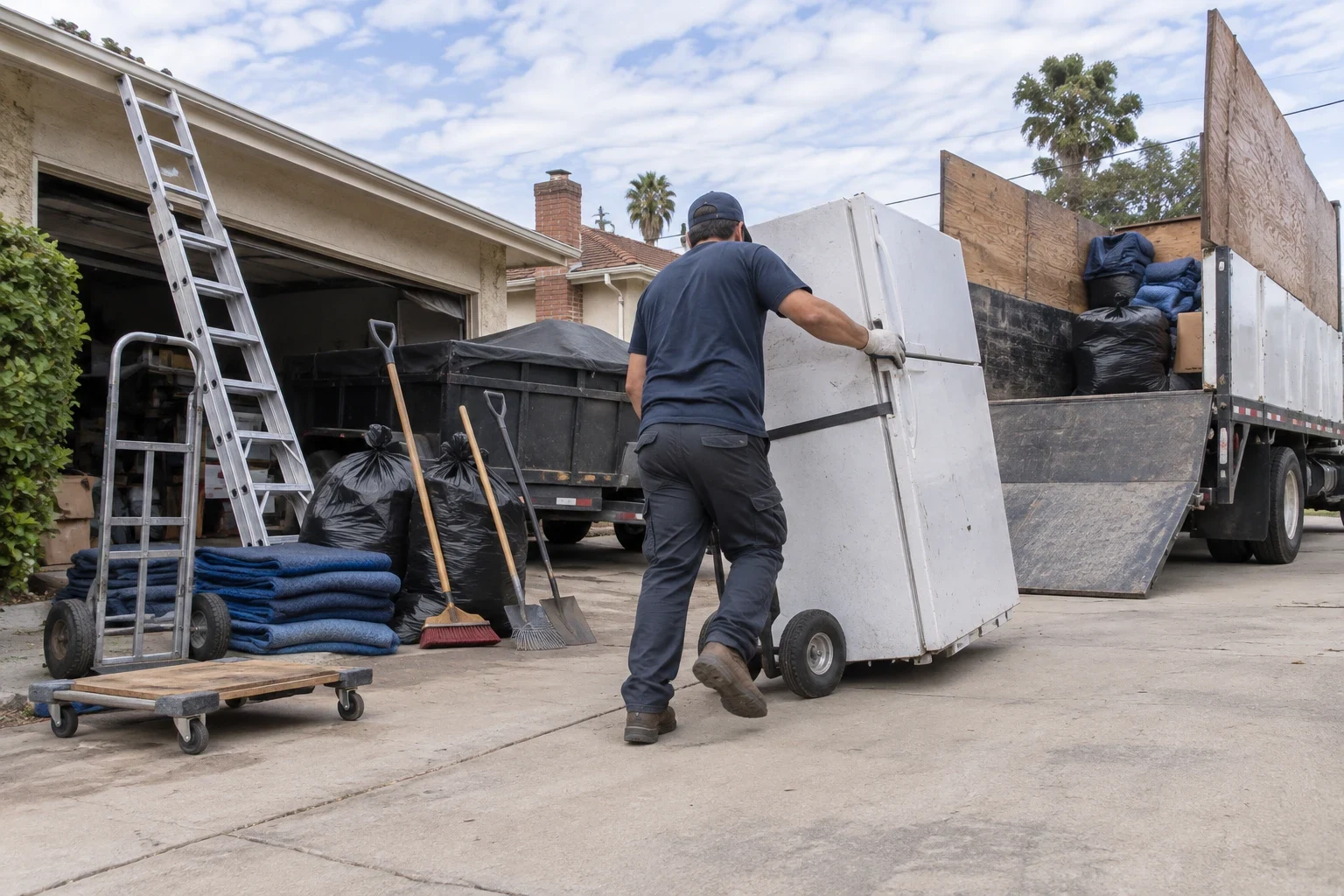
Heavy, awkward items out of your home without the strain
Appliances are the hardest things in a house to get rid of on your own. A full-size refrigerator is a few hundred pounds of steel and compressor, a front-load washer carries a concrete counterweight, and most curbside programs will not touch anything that holds refrigerant. We bring the dollies, straps and a two-person crew, and we know where each piece has to go once it leaves.
There is often a running-cost reason to do this sooner. An older fridge or chest freezer parked in a garage that bakes through a Rosemont summer has to run its compressor far longer to hold temperature, and worn door gaskets let cold air leak out the whole time. Pulling a unit you barely use takes that load off your electric bill right away.
We also clear out the bulky pieces that tend to sit beside a replaced appliance. When the load grows well past a handful of items, mention it on the phone; our junk removal or garage cleanouts service is often the better match, and we will point you to whichever suits the size of the job.
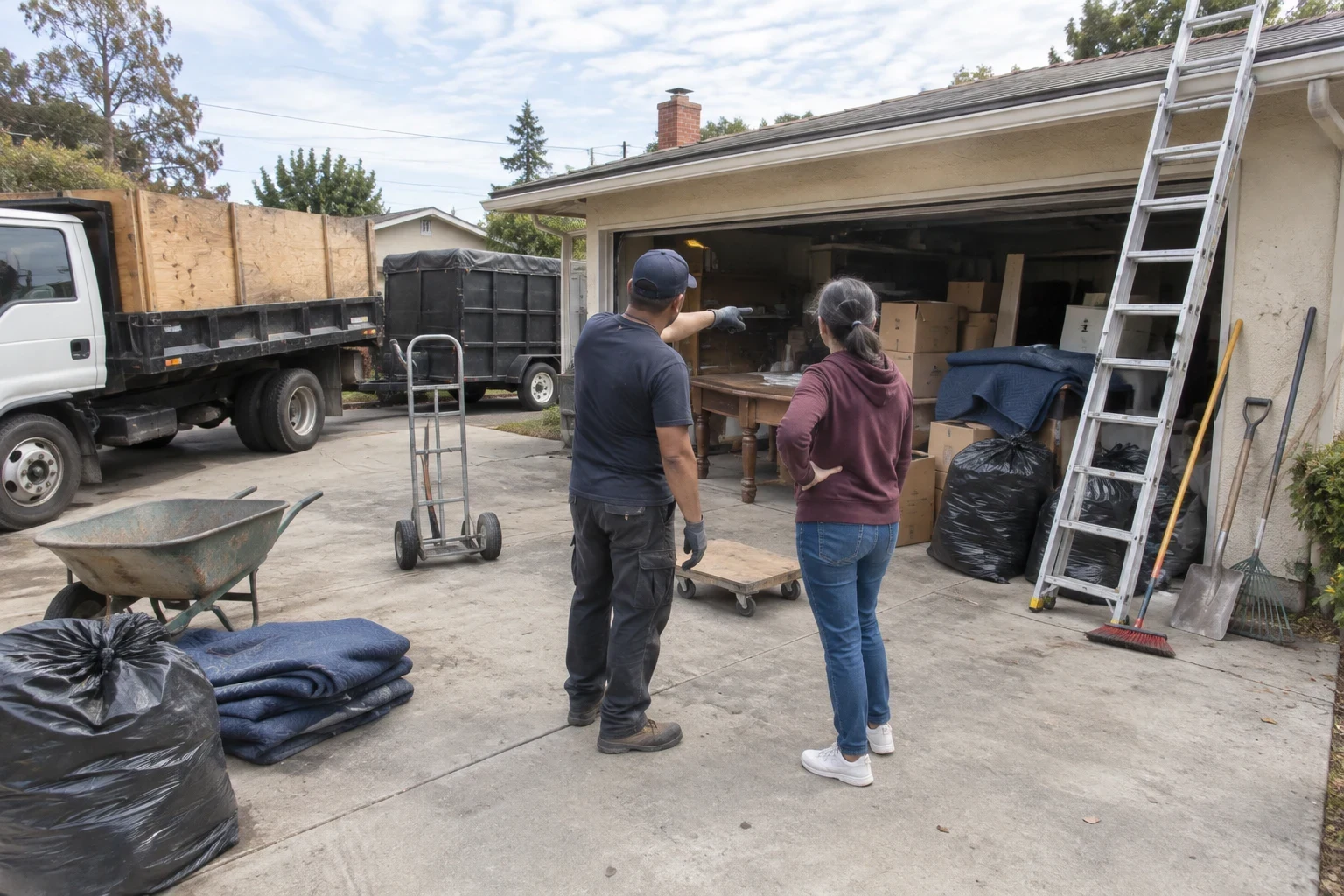
What the work includes
- 01
Refrigerators and freezers
Uprights, side-by-sides and chest freezers. Because they contain refrigerant and compressor oil, we keep them upright in transit and take them to a recycler that recovers the refrigerant before the steel is processed.
- 02
Washers and dryers
After you close the supply valves, we drain whatever water is left in the washer hoses and lock the drum so it cannot swing on the stairs. Electric dryers are unplugged and the open vent duct is capped or taped.
- 03
Ranges, dishwashers and water heaters
Electric ranges and dishwashers come out once the power is off. Gas ranges and gas water heaters need their supply shut and the line capped by a plumber or your gas utility before we arrive; from there, the removal is our job.
- 04
Bulky household pieces
Recliners, dressers, mattresses and similar items that leave along with the appliances. Anything in good condition is set aside for donation rather than the landfill.
- 05
Protection and sweep-up
Before anything moves, we wrap the door frames on our route with padding and cover any finished flooring we will cross. Once the item is out, we sweep the space it occupied, including the lint and dust that gathers behind every dryer and fridge.
Questions about Furniture and Appliance Removal?
Call(916) 659-7810Signs it is time to haul it away
A second fridge you barely open
If it holds a few drinks and some ice, it may cost more to run than what it stores is worth. Older units draw noticeably more power than current models.
Frost buildup or a compressor that never rests
Heavy frost in a freezer or a compressor that cycles almost nonstop usually points to failing gaskets or a weak seal. The repair often costs more than the unit is worth.
A replacement is already on order
Delivery crews often tack on a haul-away fee for the old unit, and some refuse it outright unless it is already unhooked. Having us remove it first leaves a clear space for the new one.
Rust, leaks or a burning smell
A rusted washer tub, a dishwasher leaving water under the cabinet, or a dryer that smells hot are signs the appliance is past saving and is better out of your home.
Pieces blocking a room or garage
A broken sectional or a dead freezer taking up a parking space is worth clearing, especially before a move.
How a removal day runs
- 1
Phone call and estimate
Tell us what is going and where it sits, including stairs or tight turns. You get a free, no-obligation estimate on that call, and we pick an arrival window that works around your day.
- 2
On-site price before lifting
The crew looks at each item and the carry path, then confirms the price with you. Nothing moves until you agree to it.
- 3
Disconnect and carry out
We unplug, drain hoses and secure loose doors and drums. Then we strap the item to a dolly, protect your floors and walls, and walk it out to the truck.
- 4
Sort and deliver
Refrigerant units go to an appliance recycler, scrap metal goes to metal recycling, donatable pieces go to donation, and only what is left goes to the landfill.
What moves the price
Two things set the number: how much truck space your pieces take up and how much labor the carry-out calls for. We give you that figure on site before a single item leaves its spot, which is how upfront pricing, no surprises works in practice. Here are the variables that matter most.
- Number and size of items
- One compact dryer uses a fraction of the space and effort that a French-door fridge paired with a chest freezer does.
- Access and carry distance
- Upstairs laundry rooms, tight side yards and long walks from a backyard add time to the job, and sometimes a third crew member.
- Refrigerant handling
- Fridges, freezers, window AC units and dehumidifiers come with recycling fees, because the refrigerant inside has to be recovered by the recycler.
- Prep and disassembly
- Pulling fridge doors to fit a narrow opening, or draining a washer that still has water in the tub, adds a bit of labor.
Questions about appliance removal
Does my refrigerator need to be empty and defrosted?
Please clear out the food. Defrosting the day before is helpful, since ice that melts during the carry can drip onto your floors, though we put protection down regardless. Keep the doors attached and we will tape them closed for the trip to the truck.
Can you take an appliance that still has refrigerant in it?
Yes. Refrigerant is exactly why these units should never be dumped, since it does harm once it escapes into the air. We take them to an appliance recycler that pulls the refrigerant and compressor oil before the cabinet goes to scrap.
Will you disconnect my gas dryer or gas range?
Electric disconnects and water hoses are ours to handle. Gas is a separate job: before we arrive, have a plumber or your gas utility shut the valve and cap the line, since a fitting left loose can leak. Once that cap is on, we take the appliance out.
Do I need to be home during the pickup?
Someone has to be there to agree to the price and give us access. If the item is already sitting in the driveway or an open garage, the visit goes quickly.
Will my working appliance go to the landfill?
Not if someone can still use it. Washers, dryers and fridges that run and are in fair shape go to donation where they are accepted, and the rest is recycled for the metal.
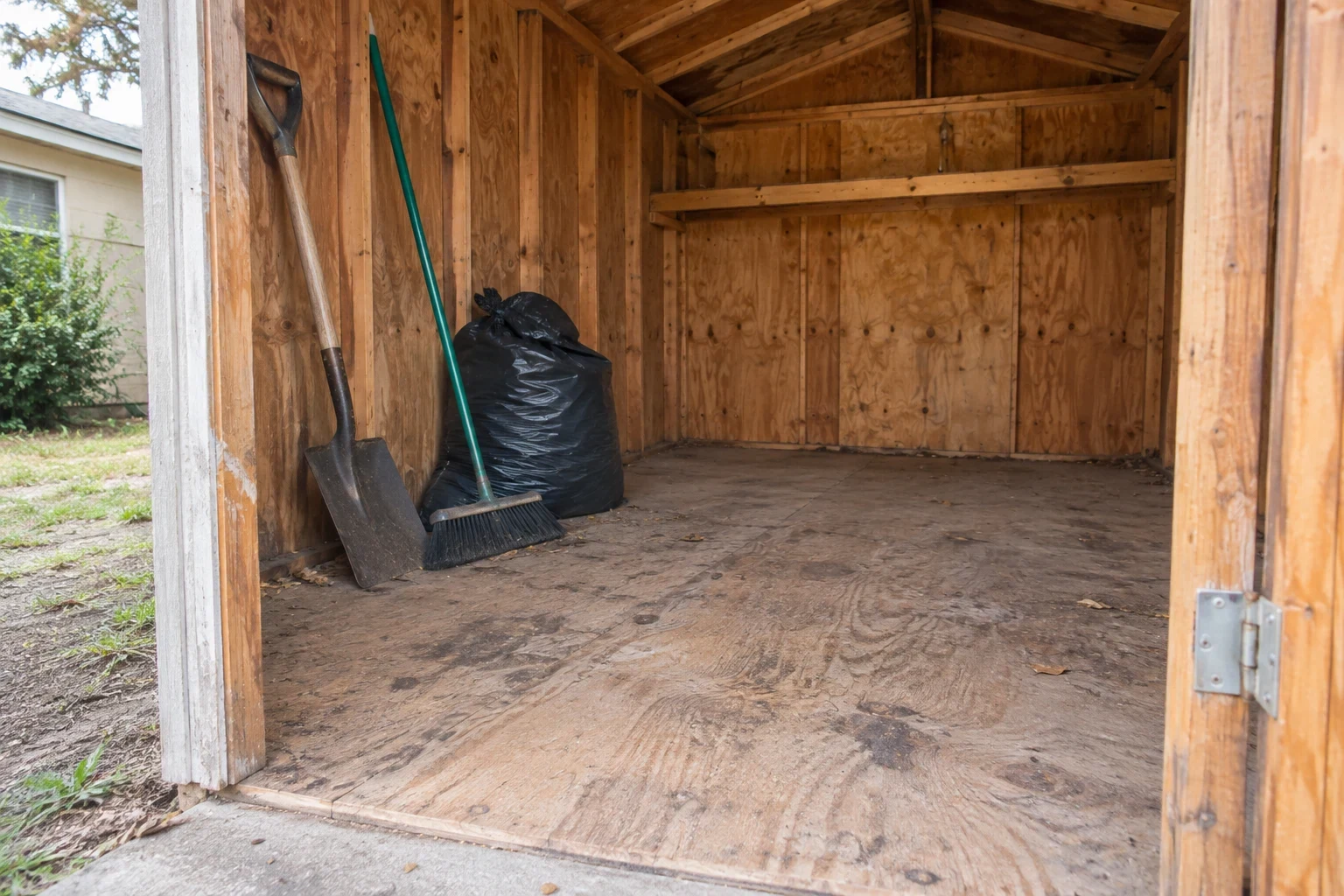
Ready to clear out the old fridge or washer
Tell us what is going and where it is. We will set a time, confirm the price on site and leave the space swept.